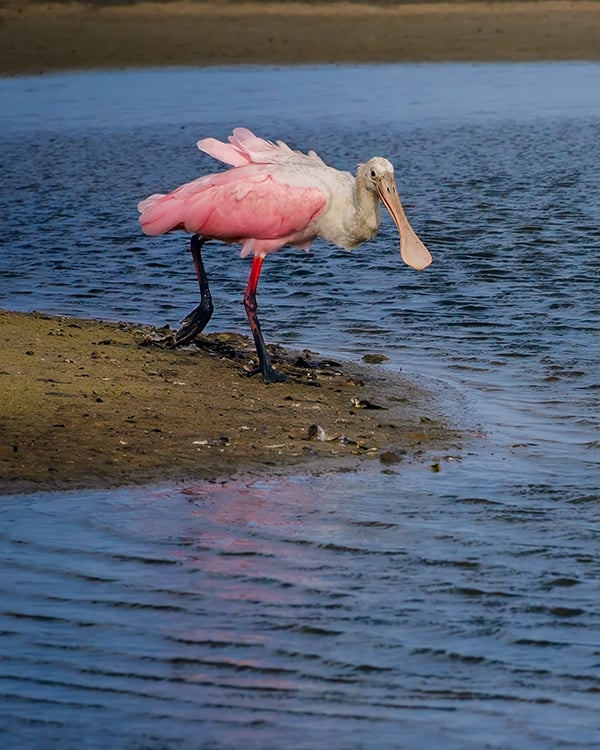
Manatee County is home to miles of shoreline along the Gulf of Mexico, bays, rivers, creeks and other waterways. These coastal areas provide important habitats for wildlife, protect our communities and provide places for people to enjoy nature and recreation. As Manatee County works to protect and restore these valuable resources, living shorelines offer a nature-based approach to shoreline stabilization and coastal resiliency.

What is a Living Shoreline?
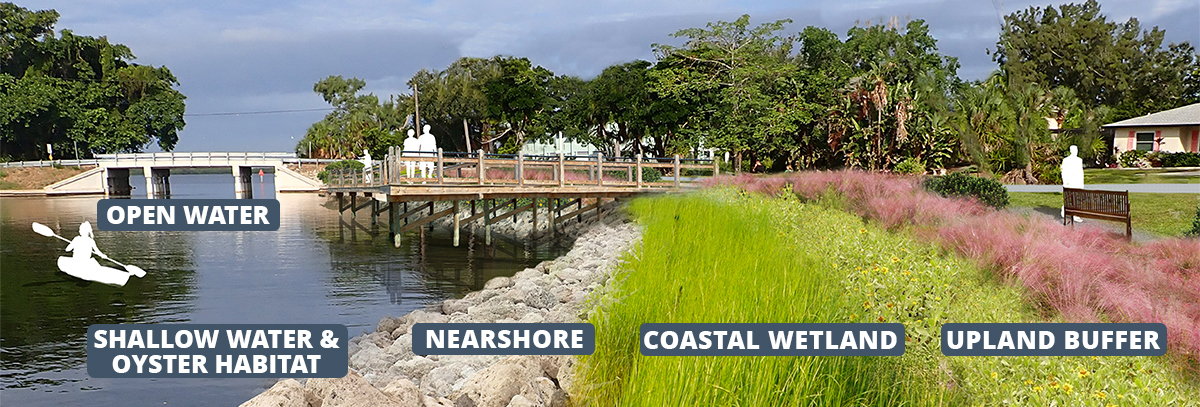
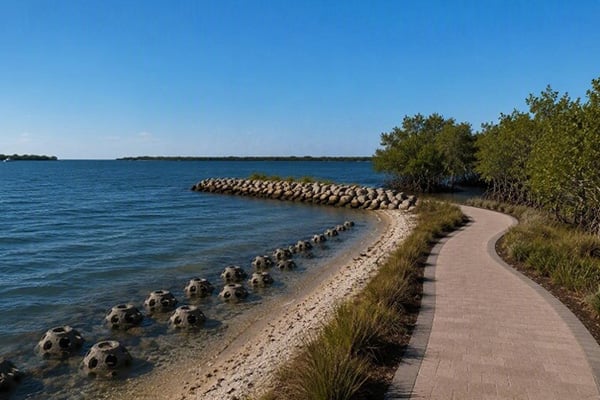
A living shoreline is a shoreline that uses natural materials, native vegetation and other nature-based features to stabilize and protect the land along the water. Rather than relying solely on a traditional vertical seawall, a living shoreline works with natural coastal processes. Depending on the site, a project may incorporate native plants, oyster habitat, rock, sand and gently sloped shorelines to reduce erosion while restoring habitat. Living shorelines can be designed to meet the specific needs of each location. Some projects may use entirely natural features, while others may combine natural elements with structural features to provide additional shoreline protection.
Working With Nature
A living shoreline is designed to provide shoreline stability while maintaining a connection between land and water. This approach can help create a healthier, more functional shoreline that benefits both people and wildlife.
Environmental Impacts & Benefits
Living shorelines can provide multiple environmental benefits while helping Manatee County prepare its coastal communities for future conditions.
Reduces Erosion: Plants, oyster habitat, rock and other natural features can help slow water movement and hold sediment in place, reducing erosion along the shoreline.
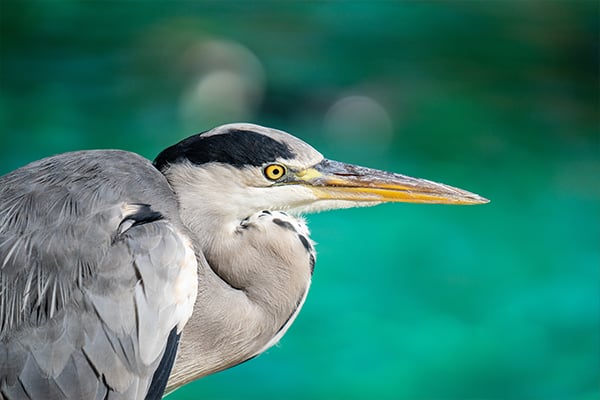
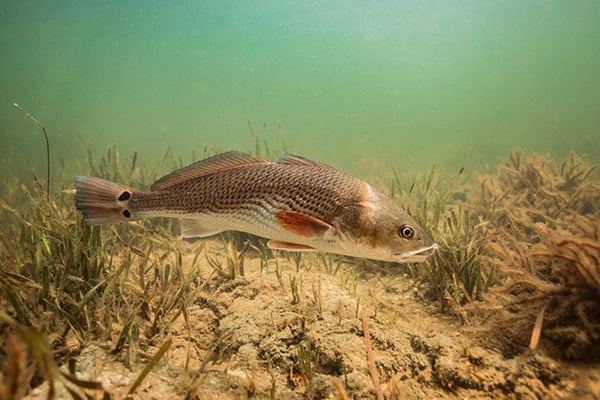
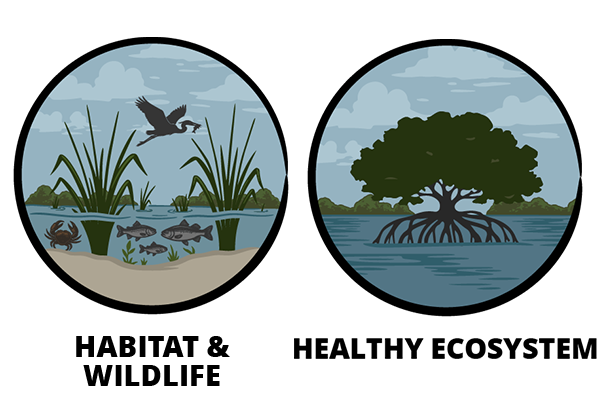
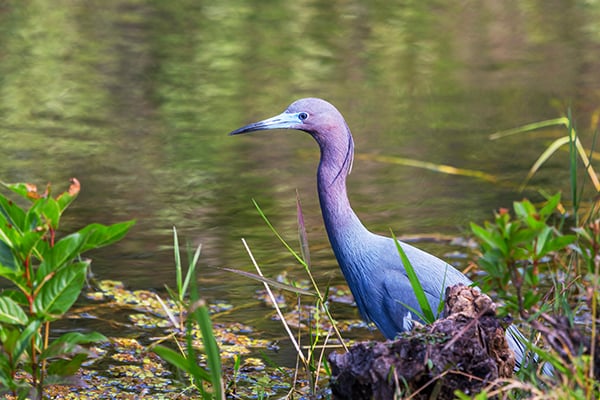
Creates Wildlife Habitat: Living shorelines can provide important habitat for fish, oysters, crabs, birds and other wildlife. Restoring the transition between land and water creates opportunities for wildlife to feed, shelter and reproduce.
Restores Native Vegetation: Native coastal plants can help stabilize the shoreline through their root systems while providing habitat and food for wildlife.
Supports Water Quality: Vegetation and other natural shoreline features can help capture sediment and nutrients before they enter nearby waterways.
Builds Coastal Resiliency: Living shorelines can help absorb wave energy and provide a buffer between waterways and upland areas. Natural systems can also change and adapt as environmental conditions change.
Supports Healthy Aquatic Ecosystems: A healthy shoreline provides important connections between land and aquatic habitats. Features such as oyster reefs and native vegetation can support a variety of species and contribute to healthier waterways.
Provides Long-Term Environmental Benefits: By restoring natural shoreline functions, living shoreline projects can provide benefits that extend beyond the project area, supporting healthier coastal ecosystems throughout Manatee County.
Features of a Living Shoreline
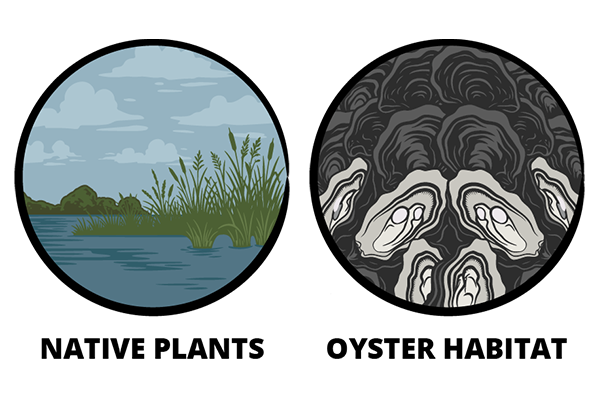
There is no single design for a living shoreline. Each project is developed based on the specific characteristics of the site, including water depth, wave energy, existing habitat, shoreline conditions and surrounding land use. A living shoreline may incorporate several different features:
Native Plants
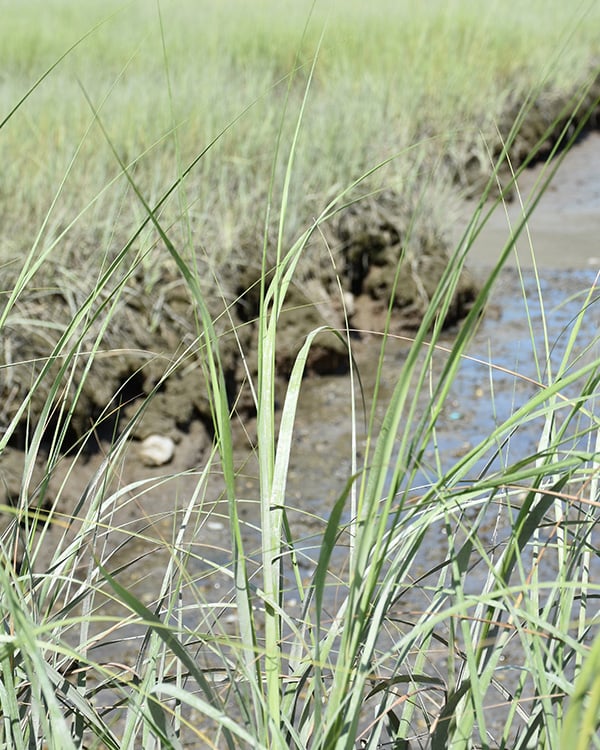
Native coastal and wetland plants help stabilize soil and sediment while providing food and shelter for wildlife.
Oyster Habitat
Oysters can form reefs that provide habitat for marine life while helping to reduce wave energy and stabilize the shoreline.
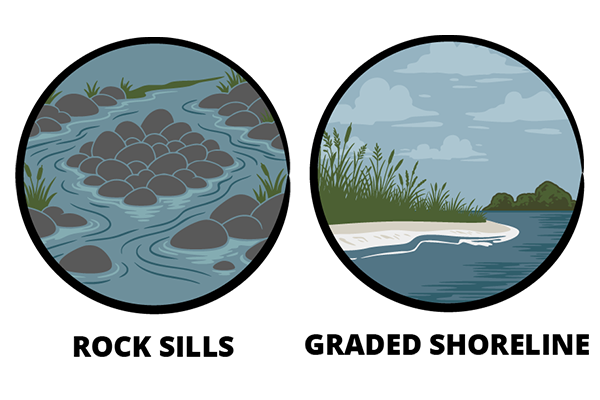
Rock Features
Rock structures, including low-profile sills, can provide additional shoreline protection while allowing natural habitat to develop around them.
Sand & Sediment
Sand and other natural materials can be used to rebuild areas of eroded shoreline and establish suitable conditions for native vegetation.
Gradual Shoreline Slopes
A gently sloping shoreline can create a transition between upland areas and the water, providing space for plants and wildlife while reducing the abrupt edge created by a vertical seawall.
Multiple Habitat Zones
A living shoreline may contain several habitat areas that support different plants and animals depending on their location along the shoreline.
Why Living Shorelines Matter
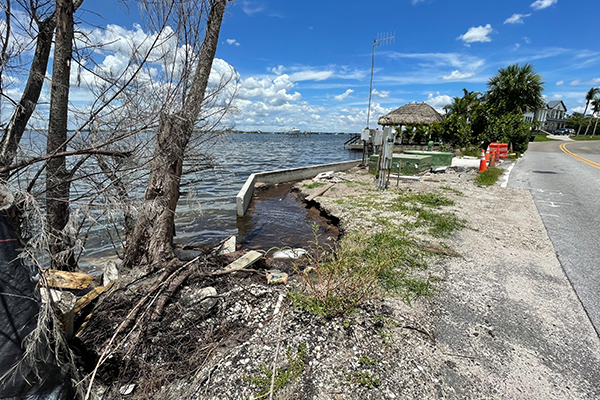
Manatee County's waterways are an important part of our community. Our coast, bays, rivers and wetlands support wildlife, provide recreational opportunities and contribute to the health and character of the County. Many shorelines have been altered over time, including areas where traditional seawalls and other hardened structures have replaced natural shoreline habitat.
Living shorelines provide an opportunity to restore some of those natural functions while continuing to protect public property and infrastructure. For Manatee County, these projects can help us:
- Protect and restore public shorelines
- Reduce erosion
- Improve coastal resiliency
- Restore native habitat
- Support fish and wildlife
- Improve water quality
- Create opportunities for environmental education
- Enhance public waterfront spaces
- Protect natural resources for future generations
Living shorelines aren't appropriate for every location. Each shoreline must be evaluated individually to determine what approach will provide the greatest environmental and community benefits.
Cost Benefits
Cost benefits of living shorelines vs. seawalls:
- Lower installation costs: UF/IFAS reports that, in Florida, living shoreline installation can cost substantially less than hardened shoreline stabilization. One Florida-focused analysis found living shoreline installation averaged 2%–20% of the cost of an armored shoreline per linear foot.
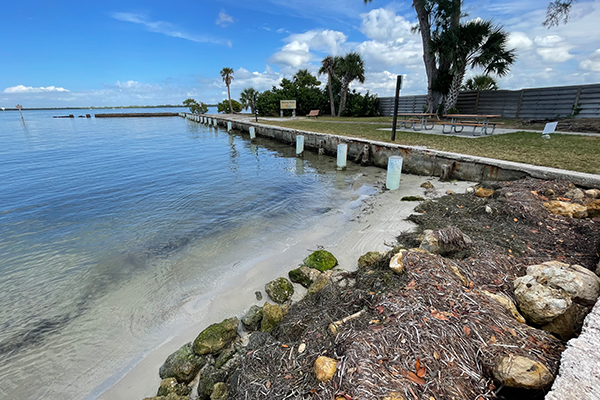
- Lower maintenance costs: Seawalls are exposed to constant wave action, storms, corrosion, and structural deterioration. Over time, they may require repairs, reinforcement or eventual replacement. Living shorelines generally require less maintenance once vegetation and other natural features become established.
- Better long-term value: A 2024 study of Florida waterfront properties found that living shorelines were 8.5 times less expensive to install and 2.7 times less expensive to maintain than armored shorelines in the study sample.
- They provide benefits beyond erosion control: Unlike a seawall, a living shoreline can provide habitat, improve water quality, support fisheries, store carbon and absorb wave energy. These ecosystem services have economic value even though they aren't always reflected in the initial construction price.
- Potentially lower replacement costs: A seawall is a finite structure that can eventually require major rehabilitation or replacement. Living shorelines can become more established and resilient as vegetation and natural features grow, although some projects may still require periodic maintenance or repairs after major storms.
Bishop Point Living Shoreline Project
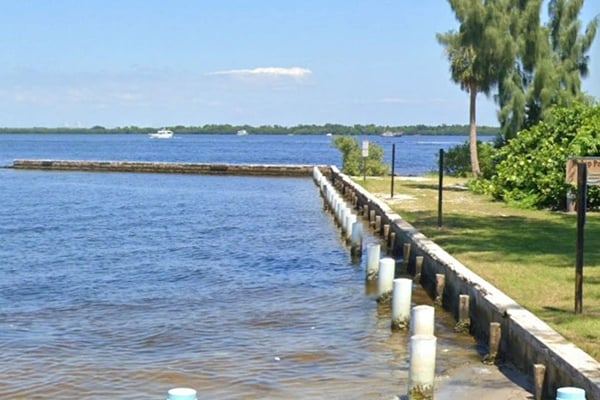
The Manatee County Natural Resources Department's Environmental & Marine Resources (E&MR) Division is excited to advance the Bishop Point Living Shoreline Project. Located at Bishop Point Park, the project will replace the existing failing seawall with a living shoreline designed to stabilize and restore the shoreline, improve coastal resiliency, enhance habitat, and provide improved public access and recreational amenities. This project represents Manatee County's commitment to using nature-based solutions where appropriate to protect our shorelines while enhancing the places residents and visitors enjoy.
What Will the Project Accomplish?
Restore the shoreline: Replace the existing failing seawall with a shoreline designed to provide long-term stability.
Improve resiliency: Incorporate features that help the shoreline better withstand waves, erosion and changing coastal conditions.
Enhance habitat: Create opportunities for native vegetation and wildlife habitat along the waterfront.
Improve public access: Enhance the waterfront experience and provide improved recreational amenities at Bishop Point Park.
Construction at Bishop Point
Earth Tech Enterprises, Inc., will construct the Bishop Point Living Shoreline Project following completion of the County's procurement process. Construction is anticipated to take approximately 60–90 working days. The schedule may be affected by weather, tides, material deliveries, site conditions, permitting requirements and other circumstances outside the contractor's control.
Park Closure During Construction
Bishop Point Park will be closed to the public for the duration of construction.
The closure is necessary to provide a safe and secure work area for construction traffic, heavy equipment, material deliveries, staging and other construction activities. Temporary fencing and signage will be installed and maintained throughout construction to secure the work area.
The E&MR Division will coordinate closely with Earth Tech Enterprises and Manatee County Property Management throughout the project to address construction logistics, sequencing, fencing, signage and other site needs.
Building a More Resilient Shoreline
The Bishop Point Living Shoreline Project is an investment in both Manatee County's environment and its community. Replacing a failing seawall with a living shoreline will create an opportunity to restore habitat, strengthen shoreline resiliency and improve public waterfront space. As Manatee County continues to protect and restore its natural resources, living shoreline projects can play an important role in creating healthier shorelines today and more resilient coastal communities for the future.
FAQs
They can. Plants and natural shoreline features can help filter pollutants, trap sediment and reduce runoff entering nearby waterways.
Native, salt-tolerant plants suited to the specific shoreline conditions are typically used. The plants selected depend on factors such as water depth, salinity, tides, soil and exposure.