
Manatee County Code Enforcement works to keep neighborhoods clean, safe, and looking good by enforcing local rules called “codes.” These codes help protect property values and public safety. Code Enforcement officers conduct proactive patrols and respond to complaints and potential violations of various State and local ordinances.
What We Can Enforce:
Our officers check for and investigate code violations that are visible from outside the property. Some of the most common issues we handle include:
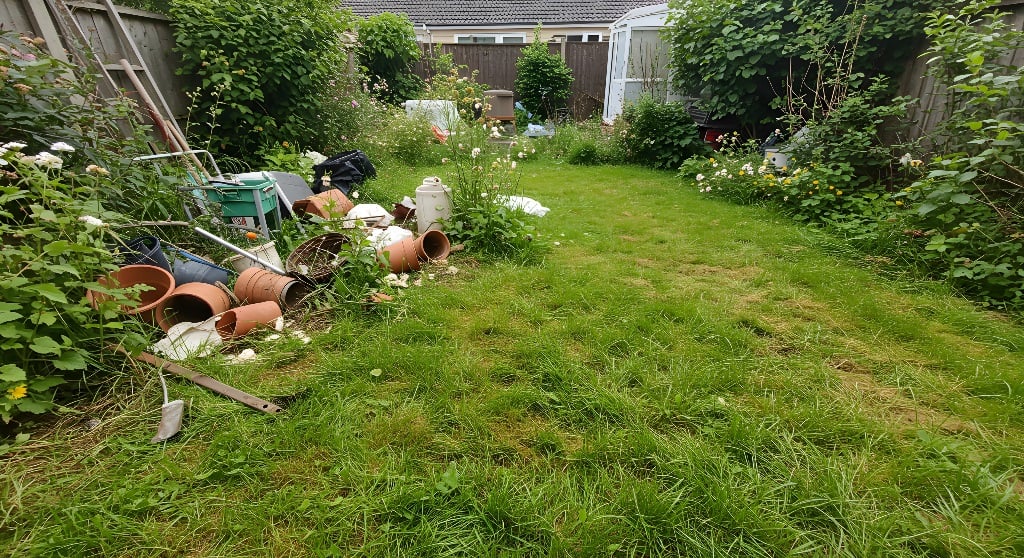
Overgrown yard: grass must be kept under 16 inches tall

Trash and debris: must be stored in proper containers on the property
Outdoor storage: Refers to personal belongings being stored outside. All such items must be located in the rear yard, full screened from view on all four sides, and must not occupy more than 200 square feet. Sec. 2-9-105
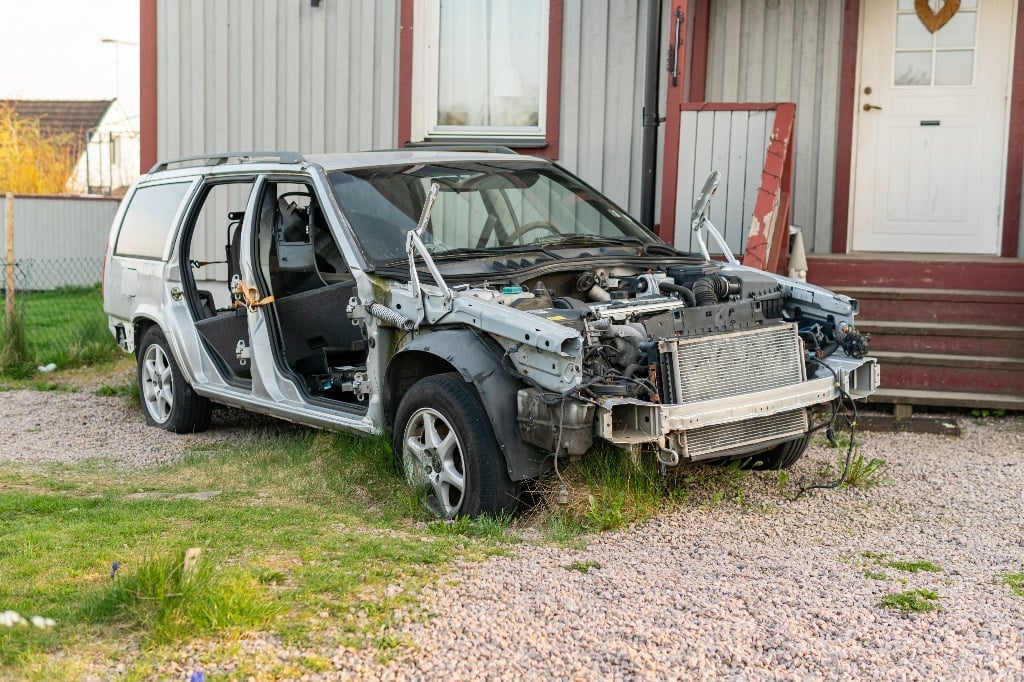
Inoperable or abandoned vehicles: must be stored in a garage or enclosed building if they cannot legally be driven on the road. An inoperable vehicle is any car, truck, trailer, or RV that is supposed to be used on public roads but cannot be driven for any reason. This includes vehicles that do not have a license plate, are not registered, are broken down, wrecked, abandoned, or in poor condition. Broken or taken-apart vehicles cannot be left on the property, and inoperable vehicles or parts must be stored inside a fully unclosed building and not out in the open. Section 2-9-108(b)
Commercial vehicles: A commercial vehicle is any vehicle mainly used for business, work, or nonprofit activities. It can include:
A vehicle made to carry tools, equipment, or things other than personal items
A vehicle that shows business names or ads on the outside with signs over six feet in size
A vehicle used to carry passengers for money
A semitrailer or a dump truck
Mobile homes and RVs are not considered commercial vehicles
You can park up to two commercial vehicles at your home if the people who live there use them for work. The vehicles must be parked off the street in a garage, carport, or driveway. Each one must be under 15,000 pounds and no taller than 9 feet. (Code of Ordinances, Section 2-9-108)
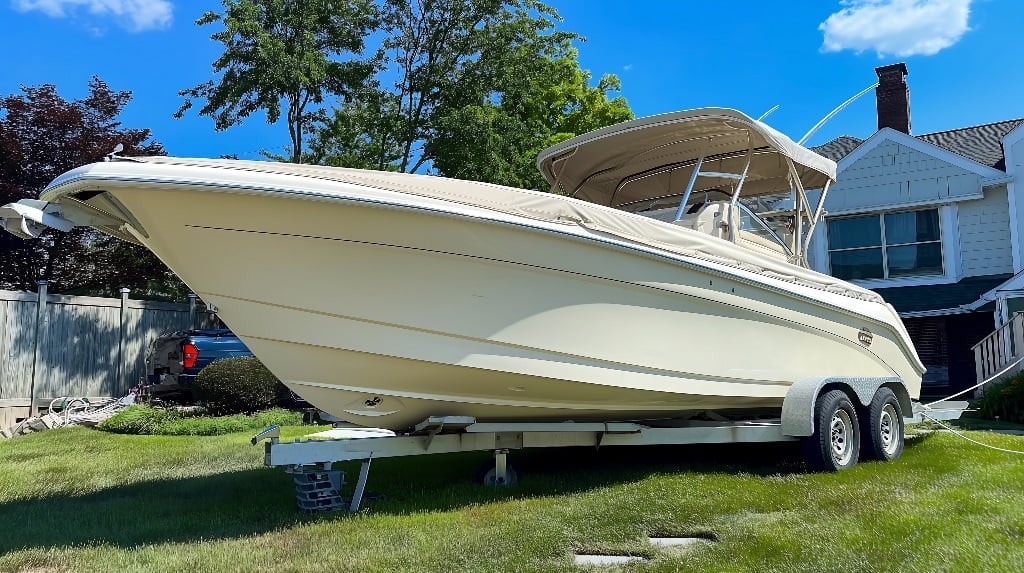
Restricted Vehicles: A restricted vehicle is any vehicle like an RV, boat, trailer, swamp buggy, or any vehicle that has two or more things for living, such as a bed, kitchen, or toilet. Restricted vehicles are allowed to be parked in the driveway for a short time if you are getting ready for a trip or have just arrived back from one. This is only allowed twice in a 30-day period, and each time you park it, it can stay for no more than three days. (Code of Ordinances, Section 2-9-108(b)
Unlicensed contractors or unpermitted work: construction work without proper permits is not allowed, and knowingly hiring an unlicensed contractor is prohibited and may result in fines up to $5000
Unsafe or dangerous structures: these may need repairs or even removal
Signage: Certain signs are not allowed in public spaces like roadsides and public rights-of-way.
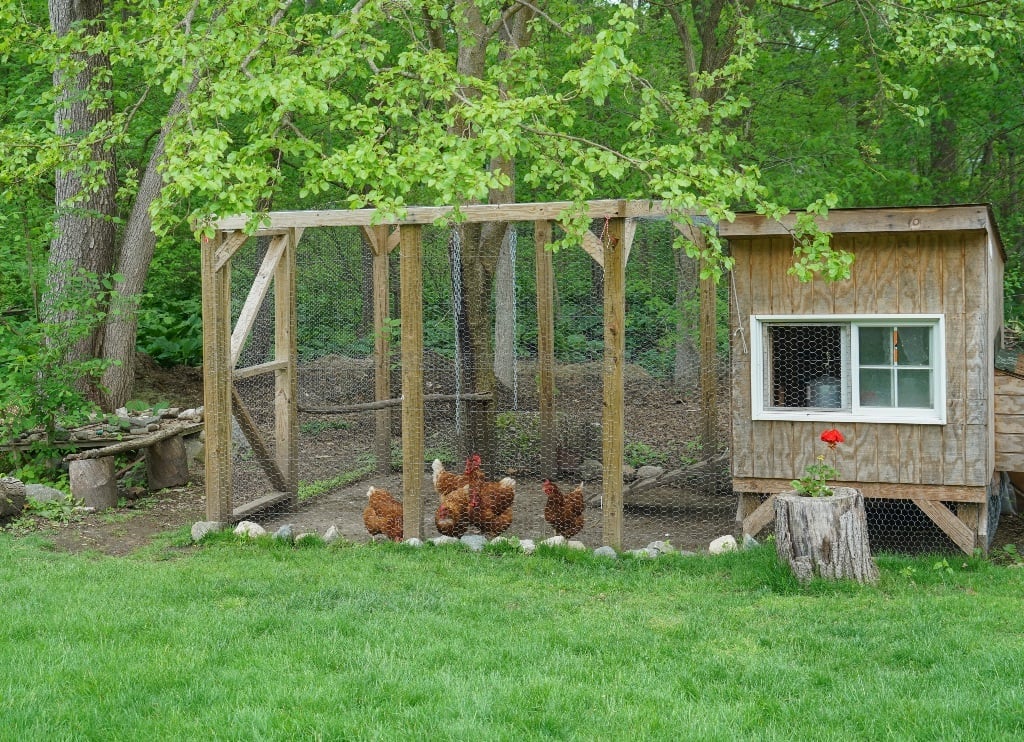
Agricultural Animals: You can have up to four hens at your home, but no roosters. Chickens must stay in a secure coop or fenced area—inside the coop at night and in the coop or fenced yard during the day. No selling eggs or manure. And no slaughtering chickens at home.
The coop must be in the backyard, at least 10 feet from the property line and 25 feet from the neighbors’ homes, with 4 square feet per chicken. It must be clean, pest-free, and built to keep out animals like dogs, cats, and wild birds. The area must be kept clean and not cause bad smells or other problems for neighbors. Sec. 2-4-24
We also respond to issues such as:
Fireworks and Sparklers - Call (941) 748-2071 for application
What we cannot enforce:
It is important to know that Code Enforcement is not law enforcement, nor the permitting division. We do not handle:
Permit distribution (contact the permitting department)
Criminal activity
Pest or animal control
Air or water quality complaints
HOA rule enforcement
Anything happening inside a house (unless invited inside)
We do not write the codes, interpret them, or make exceptions, we only enforce them.